A corporate workshop with Pega AI on stress, focus and high performance
In fast-paced technology environments, we’re constantly looking for ways to improve performance: better tools, smarter systems and more efficient ways of working. But one of the most powerful performance tools is something we all carry with us every day: our breath.
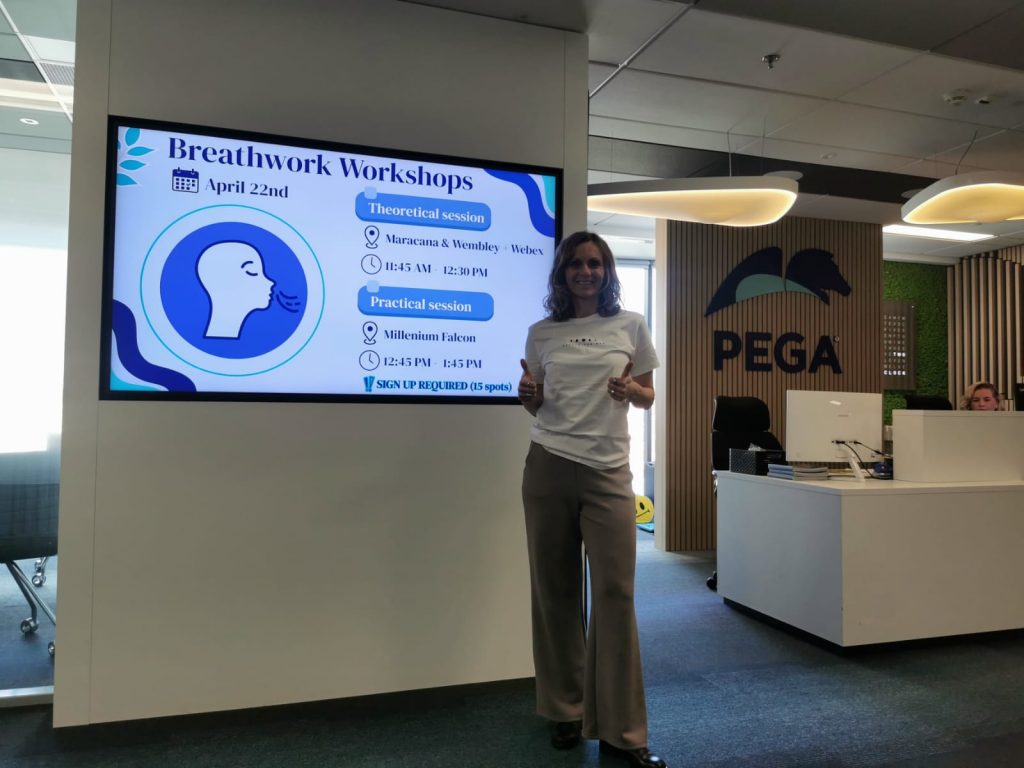
Earlier this year, I was invited to speak at Pega Connection Day in Kraków, where I delivered two sessions exploring how evidence-based breathwork can support focus, resilience and recovery in high-performance teams.
The audience included professionals working in AI and technology – people whose days are filled with deep focus, rapid decision-making and constant context switching. Rather than discussing stress in theory, we explored how breathing can serve as a practical tool for navigating these everyday challenges.
From science to practice
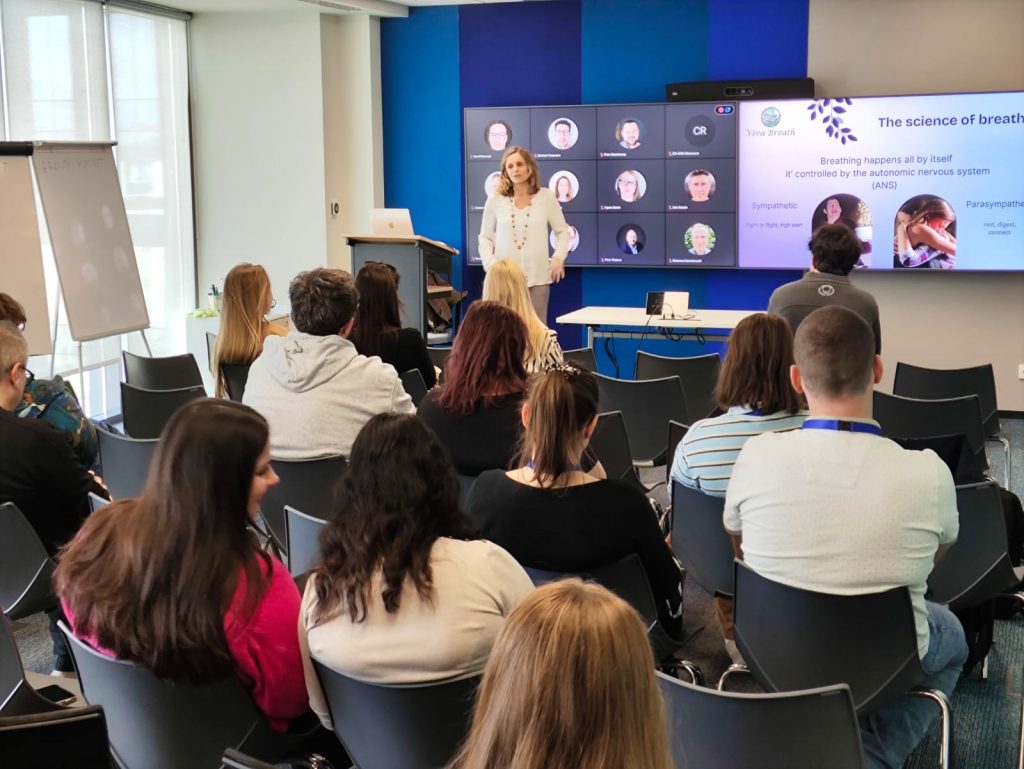
The day began with a 45-minute interactive session exploring the connection between breathing, the nervous system and cognitive performance.
One of the ideas that generated the most discussion was surprisingly simple: Breathing is the only automatic function in the body that we can consciously control. That means we have a direct way of influencing our physiological state: whether we’re preparing for an important presentation, recovering after a demanding meeting or trying to switch off at the end of the day.
Together we explored why breathing patterns matter, how they influence our stress response, and how simple techniques such as coherent breathing and longer exhalations can improve focus, emotional regulation and recovery.
Rather than offering another productivity strategy, the session focused on something participants could use immediately in the moments that matter most.
Experiencing the difference
The second session took a different approach.
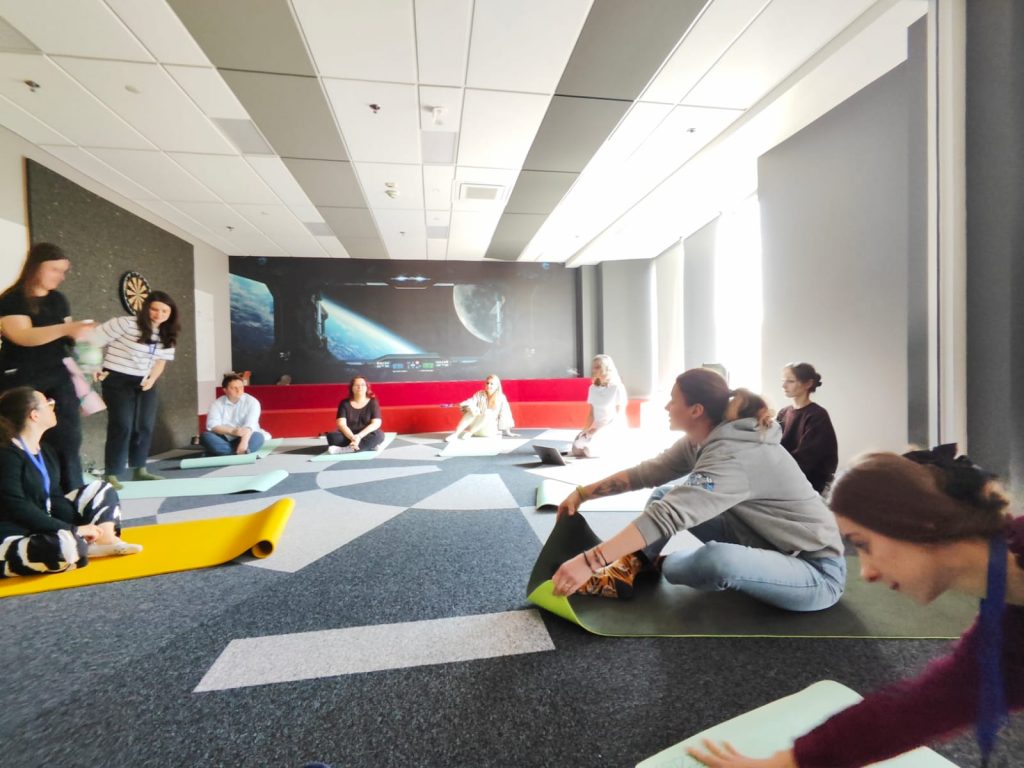
Instead of learning about breathwork, participants experienced it through a guided 60-minute breathwork journey designed to release stress and promote deep relaxation.
The room quickly filled. It was encouraging to see such enthusiasm for a session dedicated not to doing more, but to creating space for recovery, something that is often overlooked in high-performance cultures.
What stayed with people?
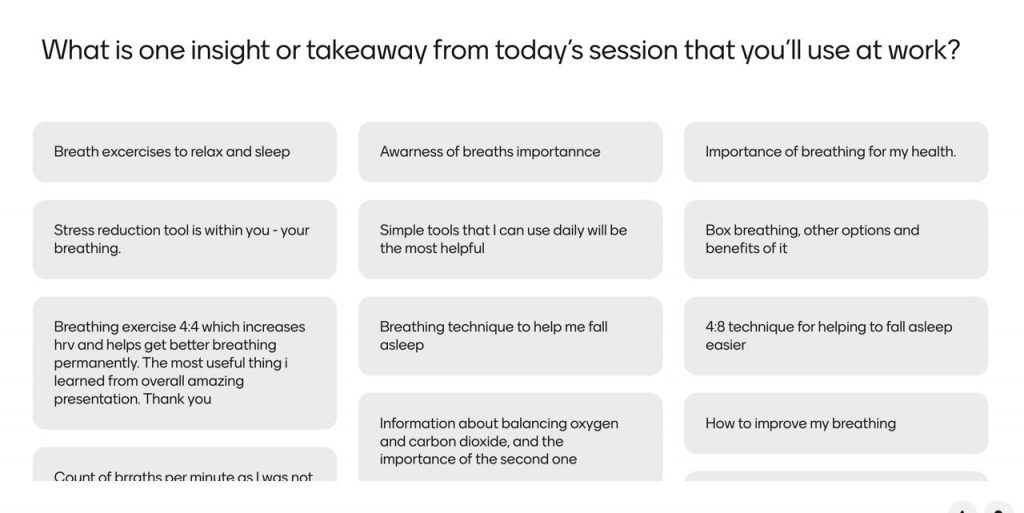
When asked about one concrete takeaway from the session, many participants spoke about having simple tools they could use every day, becoming more aware of their breathing, and using breathwork to improve sleep, manage stress and prepare for challenging situations.
Some of their reflections included: “Stress reduction tool is within you – your breathing.”; “Simple tools that I can use daily will be the most helpful.”; “Breathing exercise 4:4 which increases HRV and helps get better breathing permanently. The most useful thing I learned from overall amazing presentation.”; “4:8 technique for helping to fall asleep easier.”
For me, these comments highlight what I hope every participant leaves with, not just an interesting idea, but a practical skill they can use the next time they feel under pressure.
Feedback from Pega
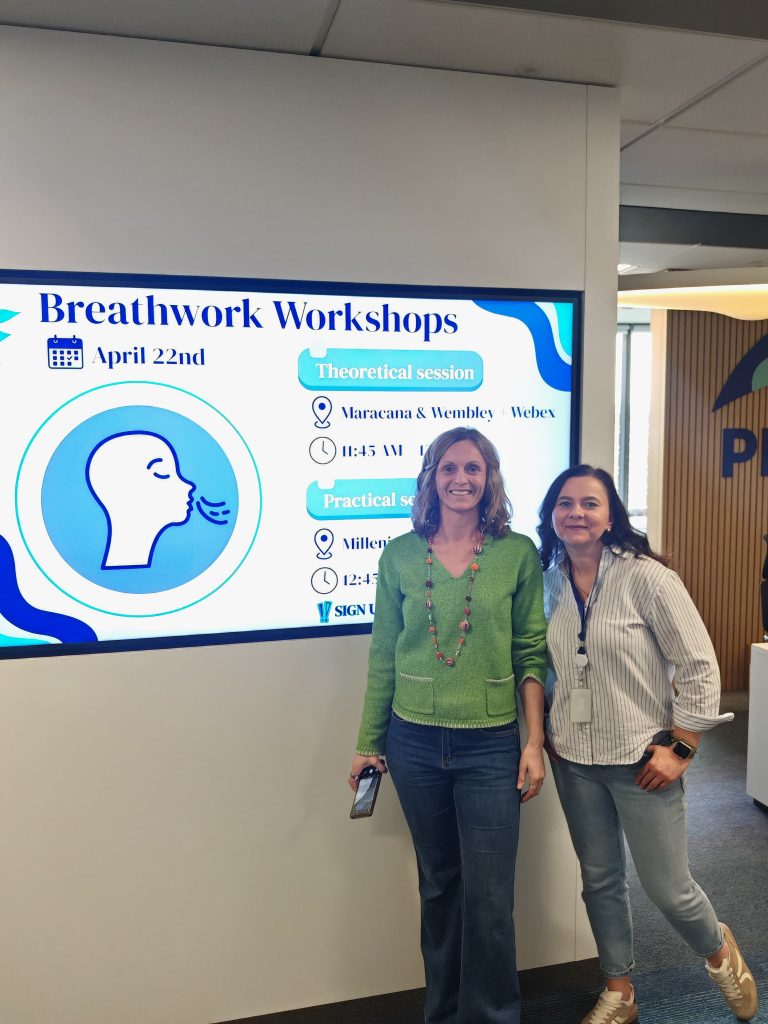
Following the event, I was grateful to receive this recommendation from the team at Pega:
“Aska Wild from VIVA Breath delivered two breathwork sessions for Pega during Connection Day: the theoretical Breathwork for High Performance Minds and the practical Breathwork Journey for Stress Release and Deep Calm. Her sessions were professional, well-structured, and highly appreciated by participants for their immediate impact on stress reduction, focus, and overall wellbeing. We would confidently recommend Aska for corporate and high-performance environments.”
A simple idea worth remembering
One thing I’ve learned from working with organisations is that people rarely need more information about stress. Most of us already know we’re busy, overwhelmed or spending too much time in front of a screen.
What we often lack are simple, evidence-informed ways to regulate our nervous system in the middle of a demanding day.
Breathing won’t remove deadlines or difficult conversations. But it can change how we meet them.
That’s why every workshop I deliver combines the science of breathing with practical techniques that people can use straight away: before a presentation, after a challenging meeting or when it’s finally time to switch off at the end of the day.
If you’re looking for an engaging, evidence-based workshop that gives your team practical tools for improving focus, managing stress and supporting wellbeing, I’d be delighted to explore how we could work together.